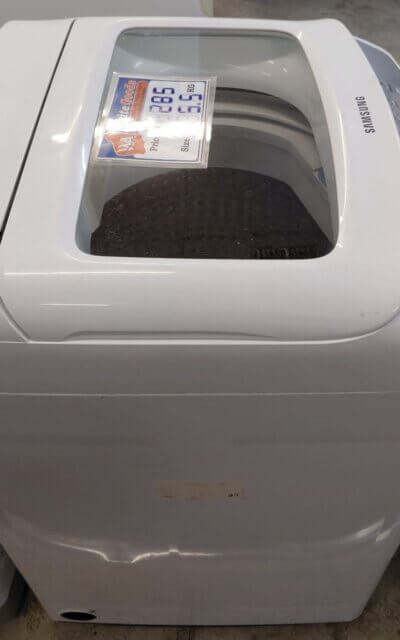
Here’s something most people never think about. The machine that cleans your clothes needs cleaning itself. Every single wash leaves behind a small amount of detergent, fabric softener, lint, and grime, whether the machine is brand new or ten years old. Over weeks and months, that residue builds into a layer of grime hiding inside the drum, the seal, and the drawer. It’s the main reason machines start to smell musty, and left long enough, it can even work its way back onto your clean clothes. This guide walks you through exactly how to clean yours properly, whether you’ve got a front loader or a top loader.
Why your washing machine needs cleaning
It’s easy to assume that because the inside of the drum gets soaked with water and detergent on every single wash, it must already be clean. In reality, detergent and fabric softener don’t fully rinse away every time. Small amounts cling to the drum, the rubber seal, and the detergent drawer, and that buildup creates the perfect environment for biofilm, a slimy layer of bacteria and mould, to develop in places you can’t easily see.
Beyond the smell, this buildup also puts extra strain on seals, filters, and drainage over time, which can shorten the life of the machine and lead to avoidable repairs. A regular cleaning routine protects both your washing and the appliance itself.
What you’ll need
- White vinegar
- Bicarb soda
- A microfibre cloth or an old toothbrush
- Warm water
- A washing machine cleaner, which is optional but handy for a deeper clean every so often
Step-by-step: top loader
Follow these straightforward steps to thoroughly clean your machine, eliminate stubborn odours, and prevent future bacteria buildup:
- Prepare the machine: Ensure the drum is completely empty. Pull back the rubber door seal (gasket) and wipe away any trapped debris, hair, or slime using a damp cloth.
- Add the cleaner: Add 2 cups of white vinegar directly to the drum right at the start of the cycle. The natural acidity helps break down stubborn biofilm and limescale.
- Select the settings: Run an empty cycle on the hottest setting your machine allows. The intense heat combined with the vinegar works to sanitise the entire system.
- Let it run: Let the full cycle run through from start to finish without interrupting it. This ensures all internal pipes and hidden components are thoroughly flushed.
- Clean the dispenser drawer: While the cycle runs, remove the detergent drawer. Rinse it under warm water and scrub away any crusty soap buildup or black mould.
- Wipe down the surfaces: Once it’s finished, wipe down the inside of the drum, the lid, the rubber seal, and the agitator if your machine has one, using a damp cloth.
- Air it out: Leave the lid or door open afterwards so everything can air dry properly rather than staying damp and enclosed. Keeping the door slightly ajar between regular washes will prevent future odours from returning.
General machine clean using the drum or tub clean cycle
Most modern washing machines, front loader or top loader, come with a dedicated tub clean or drum clean cycle built in. This cycle typically runs longer and hotter than a normal wash, and it’s specifically designed to break down the residue that builds up in places a regular wash doesn’t reach.
Run this cycle empty, roughly once a month, using either a purpose-made washing machine cleaner or the vinegar and bicarb method outlined below. Sticking to a monthly schedule, rather than only cleaning once you notice a smell, keeps buildup from ever becoming a real problem in the first place.
Vinegar and bicarb method
This is the simplest and most affordable way to deep clean your machine, and it genuinely works well on both front and top loaders without needing anything you don’t already have in the pantry.
- Add 2 cups of white vinegar to the detergent drawer, or pour it straight into the drum.
- Run the machine on its hottest cycle, completely empty.
- Once that cycle finishes, sprinkle half a cup of bicarb soda directly into the drum.
- Run a second, shorter hot cycle to rinse everything through properly.
- Wipe down the drum, the door seal, and the detergent drawer once the second cycle ends.
Vinegar works by breaking down mineral buildup and mild mould, while bicarb soda absorbs any lingering odours left behind. Used together like this, they cover most of what a store-bought washing machine cleaner does, at a fraction of the cost and without needing a special trip to buy anything.
Cleaning the seal, drawer and filter
Door seal, for front loaders: Gently pull back the folds of the rubber seal and wipe out any grime or mould you find with a damp cloth. A soft toothbrush is genuinely one of the best tools for getting into the tighter creases that a cloth alone tends to miss. Rinse thoroughly and dry the seal completely once you’re done.
Detergent drawer: Most detergent drawers slide all the way out with a firm, steady pull, sometimes with a small release catch to press first. Rinse it thoroughly under the tap, and use an old toothbrush to scrub out any built-up paste sitting in the corners or along the tracks.
Filter: Locate your machine’s filter, which is usually behind a small access panel near the bottom front of the machine. Place a shallow tray or an old towel underneath before you start, since a reasonable amount of water will drain out once you open it. Unscrew the filter carefully, clear out any lint, coins, hair, or other debris that’s collected inside, then rinse it under the tap and screw it firmly back into place.
A monthly maintenance schedule to stick to
You don’t always need to wait for a set date on the calendar to know it’s time. A few signs are a pretty reliable clue that your machine needs attention sooner rather than later. A musty smell coming from the drum, even when it’s empty, is usually the first giveaway. Clothes coming out feeling slightly stiff or not quite as fresh as they used to, despite using the same detergent, is another.
Visible black or dark spots around the door seal are a clear sign mould has already taken hold and needs dealing with straight away. If the detergent drawer looks crusty or discoloured inside, that’s also worth acting on rather than ignoring for another wash cycle.
| Task | Frequency |
| Wipe the door seal dry | After every wash |
| Leave the door and drawer open | Between washes |
| Clean the detergent drawer | Every 2 weeks |
| Clear the filter | Monthly |
| Run a tub clean cycle | Monthly |
| Vinegar and bicarb deep clean | Monthly |
Sticking to a schedule like this rather than waiting for a smell to show up means you’re always ahead of the problem rather than reacting to it after the fact.
FAQ
How often should I clean my washing machine?
Run a tub clean or a full deep clean about once a month, alongside simple daily habits like wiping the seal dry and leaving the door open after every wash.
Can I clean my washing machine with vinegar and baking soda?
Yes, vinegar and bicarb soda together make an effective and affordable deep clean, breaking down mineral and mould buildup while also absorbing lingering odours in the process.
How do I get rid of washing machine smell?
Deep clean the drum, seal, and detergent drawer thoroughly, then keep up simple ongoing habits, like leaving the door open between washes, to stop the smell from returning afterwards.
What is the tub clean cycle?
It’s a dedicated, longer running hot cycle built into most modern machines, designed specifically to clear out built-up detergent residue and mould that a normal wash cycle doesn’t reach.
Do I need to use a store-bought washing machine cleaner?
Not necessarily. A store-bought cleaner can be handy for an occasional deeper clean, but the vinegar and bicarb method covers most of the same ground for a fraction of the cost, and works well as your regular monthly routine.
If you’ve got a front loader specifically, our how to clean a front loader guide covers seal-specific tips in more depth. Still noticing smells even after a proper deep clean? Have a read of washing machine smells to work out what’s actually going on, or check out washing machine maintenance for the ongoing habits that keep your machine fresher for longer between cleans.
Ready to browse instead? Take a look at our current range of front load washing machines.