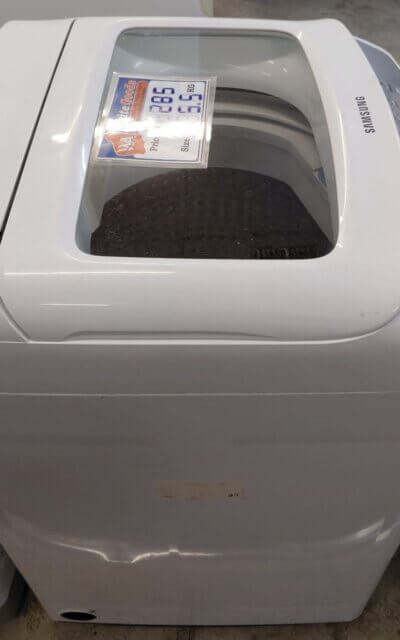
Your washing machine works harder than almost anything else in the house, and gets looked after the least. Think about the heavy loads of clothes, muddy jeans, and wet towels it spins through every single week. It keeps going without a single complaint. But we often take it for granted until it suddenly stops working.
The good news is you don’t need a big, complicated routine to keep it running well. You do not need expensive tools or special mechanical skills. Just a handful of small habits, done consistently, will make all the difference in the world.
Why bothering with maintenance actually pays off
Skip maintenance and you’re not just risking a smelly machine. You’re letting mould build up in places you can’t see, filters clog with lint and coins, and parts wear down before their time. When soap scum and minerals build up inside the drum, the machine has to strain harder to spin. This extra strain slowly ruins the drive belt and the motor.
A blocked drain pump causes water to pool inside, creating a terrible smell that transfers straight to your clean clothes. A few minutes a week now beats a technician call-out or an early replacement later.
1. Run a monthly tub clean
Most machines have a built-in tub or drum clean cycle. Run it empty, once a month, on hot, with either a proper washing machine cleaner or a vinegar and bicarb mix. This reaction breaks down grease, limescale, and old soap scum. This clears out the residue building up where you can’t see it, behind the metal walls. It ensures your washing water is actually clean.
2. Wipe and dry the door seal
For front loaders, the rubber door seal is where mould loves to set up shop. A quick wipe with a dry cloth after each wash, plus leaving the door open afterwards, stops it in its tracks. Keep an old rag nearby so you remember to do it. It takes seconds but saves massive scrub sessions later.
3. Clean the detergent drawer
Detergent and softener build into a gross paste inside the drawer over time. This sticky buildup becomes a prime target for black mould to grow. Pull it out every couple of weeks and rinse it under the tap. Scrub the little compartments with a soft brush if the residue is stubborn. Wipe out the inside of the slot where the drawer sits too. Takes two minutes and prevents a lot of mystery smells from ruining your wash.
4. Check and clear the filter
Most machines hide a small filter near the bottom front that catches lint, coins, and the odd sock. Check it monthly without fail. Keep a shallow tray or an old towel handy when you open it, as a little trapped water will always spill out. Unscrew the cap, pull out the debris, rinse the mesh filter under warm water, and screw it back in tightly. A blocked filter affects drainage and eventually the whole machine’s performance, leading to standing water inside the drum.
5. Don’t overload it
Squeezing in one extra towel might feel efficient, but overloading strains the motor and stops clothes actually getting clean. This causes violent shaking, loud banging noises, and early mechanical failure. It also prevents the clothes from moving freely, so they do not get properly clean. The detergent cannot distribute evenly through jammed fabrics. If you can’t comfortably fit your hand on top of the load, it’s too full. Split it into two smaller loads instead.
6. Get the detergent dose right
More detergent doesn’t mean cleaner clothes. It just means more leftover residue in the drum and seals. This leftover soap becomes a perfect buffet for smelly bacteria to grow on. Stick to the packet dosage, and use less for small or lightly soiled loads. Your wallet and your machine will thank you.
7. Leave the door open between washes
Closing the door right after a wash traps moisture inside, which is exactly what mould needs. Leave the door and detergent drawer open between washes so everything dries out properly. Fresh air needs to circulate through the system to evaporate the remaining dampness. This simple, free habit keeps the internal environment completely clean.
When it’s more than maintenance
Even a well maintained machine wears out eventually. Ongoing smells, leaks, strange noises, or clothes coming out not-quite-clean despite your best efforts usually point to a fault rather than a gap in your routine. It could mean a worn-out drum bearing, a cracked water hose, or a failing heating element. If these major warning signs start popping up regularly, it is usually a smart idea to call a professional technician for an inspection before a small leak turns into a massive laundry room flood.
Quick reference
| Habit | Frequency |
| Wipe door seal | After every wash |
| Leave door open | Between washes |
| Clean detergent drawer | Every 2 weeks |
| Check filter | Monthly |
| Tub clean cycle | Monthly |
Frequently Asked Questions
How do I maintain my washing machine?
Run a monthly tub clean using an empty hot cycle, wipe the door seal after every wash, clean the detergent drawer regularly to stop soap buildup, and check the filter each month.
How often should I clean my washing machine filter?
About once a month, or more often if you regularly wash items with coins, pet fur, or hair. Trapped items block water flow and make the pump work too hard.
Should I leave the washing machine door open?
Yes. It lets moisture escape between washes and stops mould from developing in the drum and seal. Keeping it closed creates an environment where bacteria grow fast.
Does maintenance really extend a washing machine’s life?
Yes. Regular upkeep prevents the buildup and wear that cause most early breakdowns, adding real years to the machine’s life by keeping the motor and pump running smoothly.
For a full deep clean guide, see how to clean a washing machine, and if your machine’s already showing its age, have a read of make your washer last longer. You can also browse our current washing machines range.