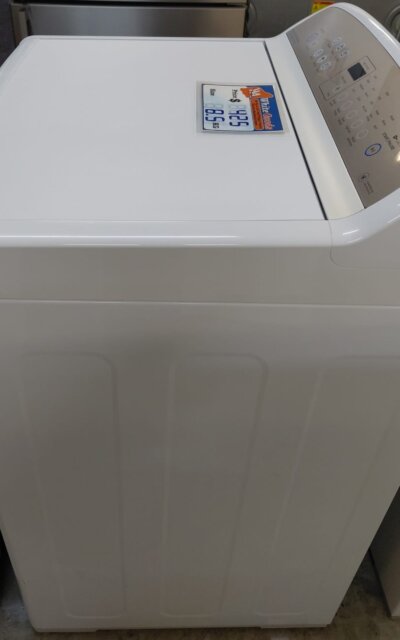
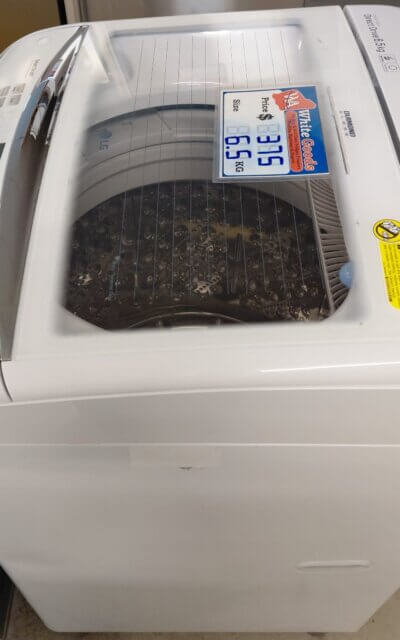
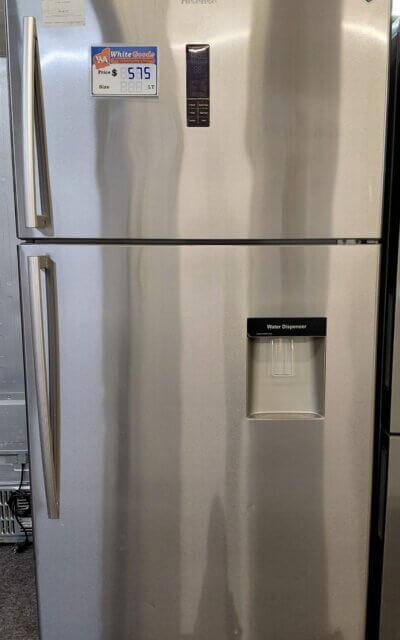
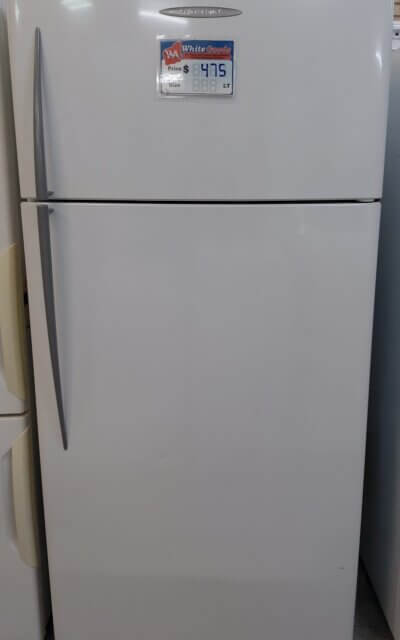
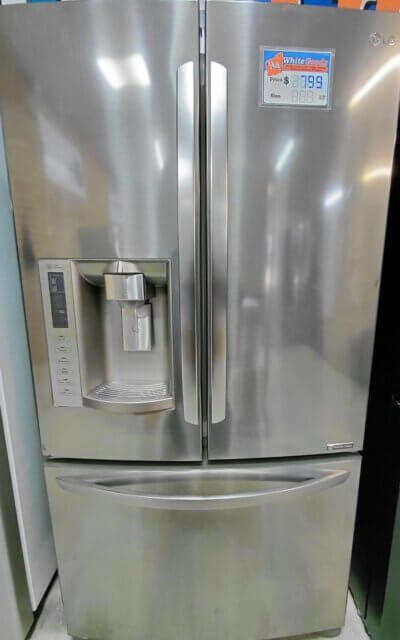
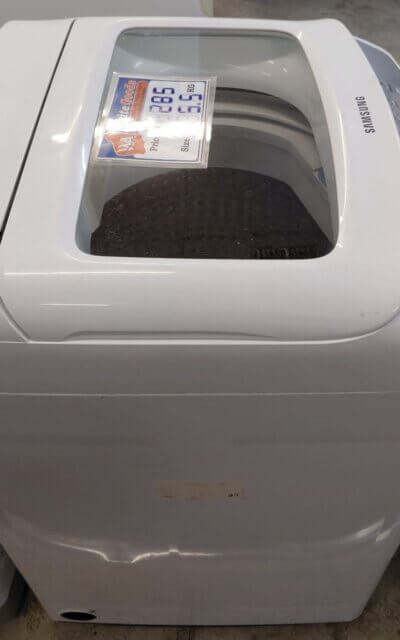
Buying a used appliance can save you hundreds of dollars. But if you skip the inspection, that saving can disappear fast in repair bills. Knowing how to inspect a used fridge or washing machine before handing over cash is the smartest thing you can do.
This checklist comes straight from our technicians at WA White Goods. These are the exact checks we run on every appliance before it goes on our floor.
Why an Inspection Matters
A used appliance can look clean on the outside and be a mess on the inside. Sellers do not always know what is wrong. Some do and choose not to say. A 10-minute inspection can save you from buying someone else’s problem.
Perth summers are brutal on fridges. A compressor that is struggling now will fail completely in January. Do not skip this step.
Before You Go: Questions to Ask the Seller
Ask these before you even leave home.
Ask how old the appliance is. Most fridges and washing machines last 10 to 15 years. If it is already 12 years old, the lifespan is short.
Ask why they are selling. Moving house is a good reason. “It stopped working properly” is not.
Ask if it has had any repairs. A repaired appliance is not always a bad one. But you deserve to know.
Ask to see it running before you arrive. If they say no, that is a red flag.
Fridge Checklist
Check the Door Seals First
Close the fridge door on a piece of paper. Pull the paper out. You should feel resistance. If the paper slides out easily, the door seal is worn. A bad seal means the fridge works harder and uses more power. Replacing a seal costs money and time. According to Choice Australia, poor door seals are one of the most common causes of high running costs in older fridges.
Listen to the Compressor
Turn the fridge on and stand beside it. The compressor should hum quietly. A loud click, rattle, or grinding sound means trouble. If it takes more than a few minutes to start cooling, the compressor may be on its way out. A new compressor can cost nearly as much as a second-hand fridge.
Check the Cooling
Put your hand inside after 10 minutes. It should feel cold. The freezer should feel very cold. If neither is happening, walk away.
Look for Rust and Physical Damage
Check the inside walls and shelves. Light surface marks are fine. Deep rust spots are not. Rust inside a fridge can spread and is hard to stop. Check underneath and at the back too.
Check the Fridge Is Level
A fridge that is not level does not seal properly. It also puts stress on the compressor. Bring a spirit level or use an app on your phone. It takes 30 seconds and tells you a lot.
If you are still deciding whether a used fridge is the right call for your budget, read our guide on buying a second-hand fridge before you commit.
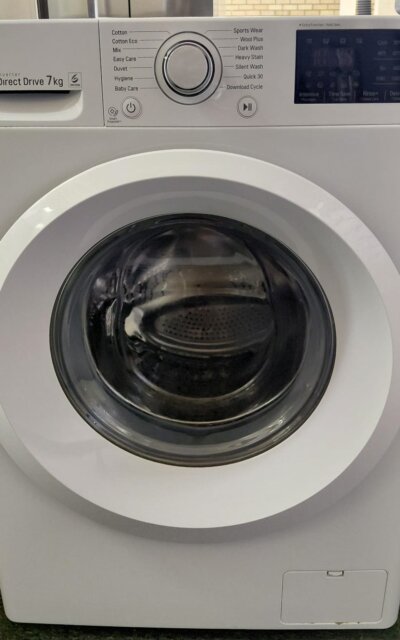
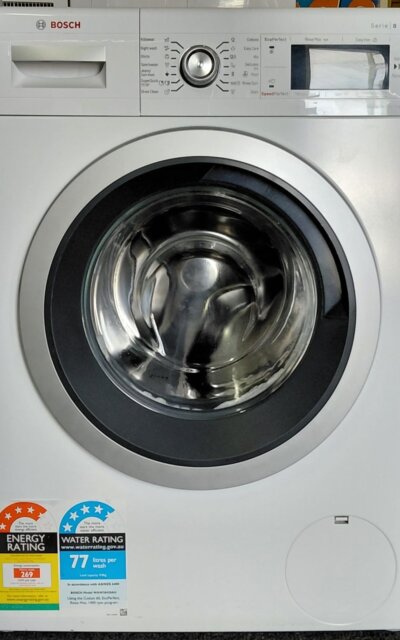
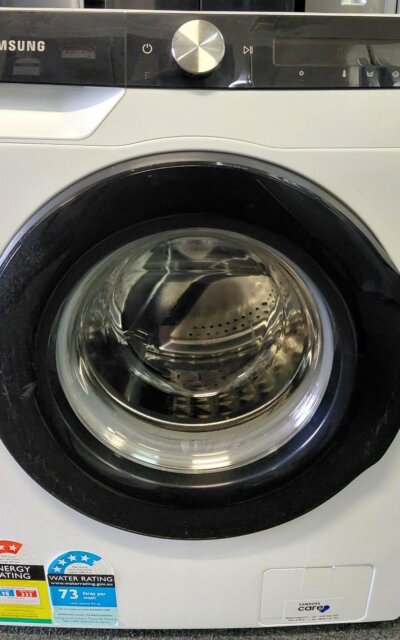
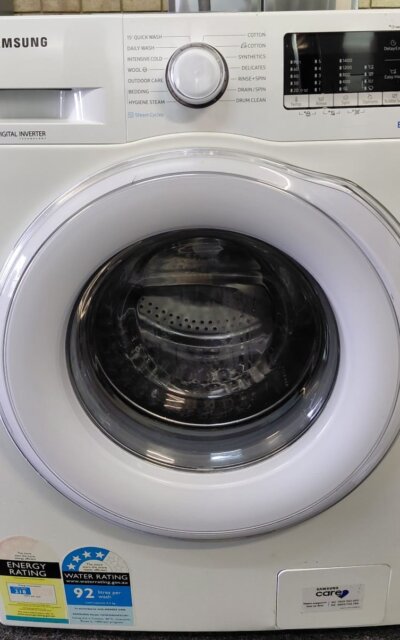
Washing Machine Checklist
Check for Drum Bearing Noise
Open the door and spin the drum by hand. It should move smoothly and quietly. A grinding or rumbling sound means the drum bearings are worn. Bearing repairs are expensive. On older machines, it often costs more to fix than the machine is worth.
Run a Full Cycle
If you can, run the machine through a full cycle. Watch and listen the whole time. A healthy washing machine runs without banging, vibrating across the floor, or leaking.
Test the Spin Cycle
This is where problems show up. A machine that cannot complete the spin or makes a loud roar during spin has a serious issue. Drum bearing noise gets much worse at high spin speed.
Check for Leaks
Look underneath the machine during the wash. Even a small drip from the hose connections, door seal, or drum means it needs attention. Ask the seller about it. If they say they did not notice, check again.
Inspect the Door Seal on Front Loaders
Front loader door seals collect mould and grime. A bit of discolouration is normal and cleanable. Black mould deep in the rubber folds is much harder to remove. Smell it too. A mouldy smell that stays after cleaning means the drum or drum bearings may be harbouring bacteria.
Check the Hose Connections
Look at the inlet and outlet hoses at the back. They should be firm, not cracked or brittle. Replacing hoses is cheap. But a burst hose in a laundry causes real damage fast.
We carry a wide range of tested second-hand washing machines if you want to skip the private sale process entirely.
Freezer Checklist
Check for Ice Build-Up
Open the freezer and look for thick frost or ice on the walls. Modern frost-free freezers should not have heavy ice build-up. If they do, the defrost system has failed.
Test the Temperature
A freezer should reach around minus 18 degrees Celsius. Ask the seller to turn it on before you arrive. After 30 minutes, it should be very cold. If it is just cool, it is not working properly.
Check the Seals
Same test as the fridge. Paper in the door, pull it out. You want resistance. A freezer that cannot hold cold costs a lot in spoiled food and high-power bills.
Red Flags: When to Walk Away
Some things are simply not worth the risk.
Walk away if the appliance does not turn on at all. Walk away if you hear loud mechanical sounds from the compressor or drum. Walk away if there is active rust inside the fridge or around drum seals on a washer. Walk away if the seller will not let you test it. Walk away if the price seems too low for no clear reason.
Trust what you see and hear. Private sellers cannot offer warranties. If something feels off, it probably is.
The Easier Alternative: Buy Pre-Inspected
Inspecting a used appliance yourself takes time. You also need to know what you are looking for. Not everyone does.
At WA White Goods, every appliance goes through a full technician inspection at our Welshpool workshop. We test, clean, and check each unit before it goes on sale. Every appliance comes with a 90-day warranty. We hold a 5.0 Google rating from Perth customers who came back because they trusted the process.
If you want the value of a used appliance without the risk of a private sale, browse our pre-inspected appliances and buy with confidence.
FAQs
What should I check when buying a used fridge?
Check the door seals, listen to the compressor, test the cooling after 10 minutes, look for rust inside, and make sure the unit sits level.
How do I test a second-hand washing machine?
Run a full wash cycle and watch for leaks, unusual noise, and whether the drum bearing sounds smooth. Test the spin cycle at full speed and check all hose connections.
What are red flags on a used appliance?
The appliance will not turn on, makes grinding or rattling sounds, has rust or mould in key areas, the seller refuses to let you test it, or the price is suspiciously low with no explanation.