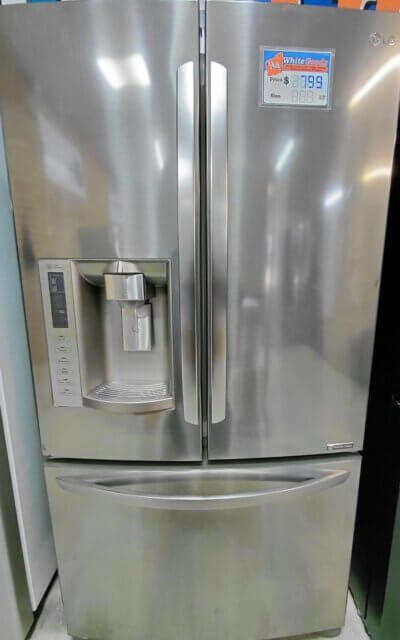
Your fridge never gets a day off. It runs 24 hours a day, every single day of the year. So how long should it actually last before things start going wrong?
The short answer: most fridges last between 10 and 15 years. But that number shifts a lot depending on the type of fridge, the brand, how it’s been used, and how well it’s been looked after. Some push past 17 years. Others start causing problems at 8.
Here’s a proper breakdown so you know exactly where yours stands, and what to do about it.
Average Fridge Lifespan (By Type)
Not all fridges are built the same. The design of the unit plays a big role in how long it lasts.
| Fridge Type | Average Lifespan |
| Top freezer (standard) | 14-17 years |
| Bottom freezer | 12-15 years |
| Side-by-side | 10-14 years |
| French door | 10-13 years |
| Bar fridge / single door | 8-12 years |
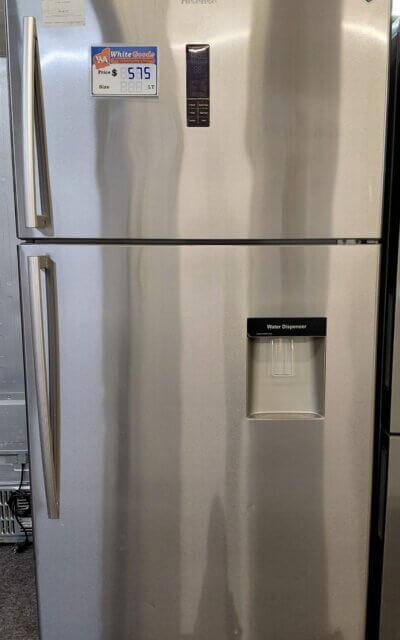
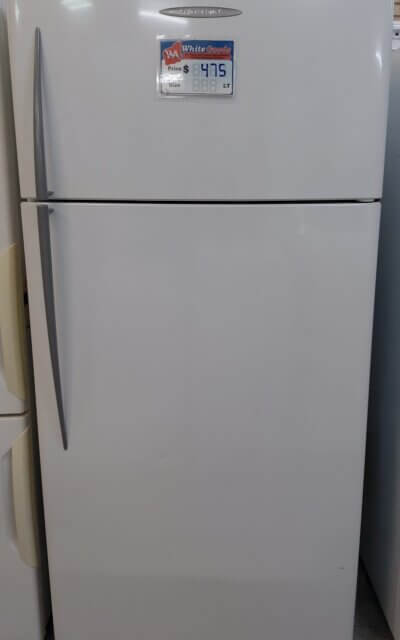
Top freezer models consistently outlast everything else. Fewer components, simpler design, less to go wrong. French door and side-by-side models look great but come with more moving parts and more potential failure points.
We see this play out in our Welshpool workshop regularly. Big dual-door models look impressive in the showroom, but a solid top-freezer unit from 15 years ago will often outlast a French door model that’s half its age. Simplicity wins.
What Shortens (or Extends) Fridge Life
A few common habits knock years off a fridge’s lifespan:
- Poor ventilation: Fridges need airflow around the back and sides. Cramming one into a tight space makes the compressor work harder than it needs to
- Overloading: Packing the fridge completely full restricts internal airflow and strains the motor. Leave some space
- Dirty condenser coils: These should be cleaned roughly once a year. In our experience, most people never do it. Dirty coils make the compressor run hotter and harder
- Hot environments: Keeping a fridge in a Perth garage or shed during summer is tough on any unit. Ambient heat forces the compressor to run almost constantly
- Ignoring early warning signs: A worn door seal or a fridge running slightly warmer than usual is easy and cheap to fix early, and much more expensive to ignore
- Temperature set too cold: Running a fridge colder than necessary wastes energy and puts extra strain on the system over time
On the positive side, keeping the coils clean, giving the unit breathing room, setting the right temperature (3-4°C for the fridge, -18°C for the freezer), and dealing with small issues early can add genuine years to a fridge’s life.
Brand also makes a real difference. From what we see on the bench, Fisher & Paykel and Bosch units consistently outperform brands like Haier or Hisense when it comes to long-term reliability, often by several years.
7 Signs Your Fridge Is on the Way Out
Most fridges don’t fail suddenly. They give you signals first. Here’s what to watch for:
- Food is spoiling faster than it used to: Usually a sign the fridge isn’t holding temperature properly, which points to a thermostat, compressor, or seal issue
- The motor runs constantly without cycling off: A fridge should cycle on and off. Constant running means it’s working too hard, often because of a failing compressor or dirty coils
- Condensation or frost where there shouldn’t be: This typically points to a damaged door seal letting warm air in
- Energy bills are going up for no obvious reason: An older fridge that’s struggling uses significantly more electricity than it should
- You can hear it from the next room: Loud clicking, buzzing, rattling, or knocking are signs something mechanical is wearing out
- Water pooling inside or underneath: This usually means a blocked drain, a failed seal, or a defrost system issue
- It’s over 15 years old and has already needed repairs: At some point the costs and risks start to stack up
One or two of these might be repairable. Three or more, and it’s probably time to think seriously about replacing it.
Repair or Replace? A Simple Rule
Here’s a rule of thumb that works well for fridges:
If the repair costs more than 50% of what a comparable replacement would cost, replace it.
Age matters a lot in this calculation. A $300 repair on a 3-year-old fridge is almost always worth it. The same $300 repair on a 12-year-old unit is much harder to justify.
Compressor failures are the big one. A compressor replacement is expensive, typically $400-$700 or more, and if a fridge needs one after 10 years, the rest of the unit likely isn’t far behind.
Usually worth repairing:
- Door seal replacement (cheap, easy, effective)
- Thermostat or temperature control issues
- Blocked drain or defrost system on a younger unit
- Condenser fan motor on a fridge under 8 years old
Usually not worth repairing:
- Compressor replacement on a unit over 10 years old
- Control board failure on an older model
- Coolant recharge on a very old unit
- Multiple things going wrong at once
Choosing a Cost-Effective Replacement
If it is time to replace, you don’t have to spend big. A quality refurbished fridge from a reputable seller can give you another 8-10 solid years at a fraction of the new price.
The key is buying from someone who has actually tested and inspected the unit before selling it. Not a private sale on the Marketplace, where you’re taking someone else’s word for it.
Not sure about what to get? Read our post on Most Energy Efficient Refrigerators.
Every fridge we sell at WA White Goods is fully tested and cleaned before it goes on the floor, comes with a 90-day warranty, and is backed by our 5.0 Google rating. We deliver Perth-wide from our Welshpool store.
Ready to shop? Browse replacement fridges and see what’s currently in stock.
FAQ
What is the average lifespan of a fridge?
Most fridges last between 10 and 15 years, with simpler top-freezer models often running closer to 17 years when well maintained.
Is it worth repairing a 10-year-old fridge?
It depends on the repair. Minor fixes like door seals, thermostats, or drain cleaning are almost always worth doing. Major repairs like a compressor replacement on a 10-year-old unit are usually not, as the rest of the fridge may not last much longer either way.
What are the signs a fridge is dying?
The key warning signs are food spoiling faster than usual, the motor running non-stop, unexpected condensation or frost, rising energy bills, loud noises, water pooling, and a history of repairs on an older unit.
WA White Goodsis based in Welshpool and sells tested, refurbished fridges across Perth. Every unit comes with a 90-day warranty. Come in-store or browse online.