Not sure which freezer to get? You’re not alone. Most people know they need a freezer, but get stuck choosing between a chest freezer and an upright freezer.
Both do the job. But they work differently, suit different homes, and come with different trade-offs.
This guide breaks it all down so you can pick the right one and stop second-guessing.
Chest Freezer vs Upright Freezer: Quick Answer
Short on time? Here’s the simple version.
- Go with a chest freezer if you want more storage for less money and plan to buy in bulk.
- Go with an upright freezer if you have limited floor space and want to stay organised without digging through piles of frozen food.
That’s the core difference. Everything below helps you decide which situation sounds more like yours.
What Is a Chest Freezer?
A chest freezer opens from the top. Think of a big horizontal box with a lid you lift up.
Cold air sits at the bottom and stays there when you open the lid. That makes chest freezers very efficient to run. They lose less cold air every time you open them compared to front-opening models.
They also hold their temperature longer during a power outage, which matters if you live in a storm-prone area or a regional part of Australia.
Chest freezers come in a wide range of sizes, from compact 100L models to large 500L-plus options. They’re popular in garages and sheds because they’re tough, reliable, and cost less to run over time.
The trade-off? Organisation is harder. Food can get buried, and you’ll need to dig through layers to find what you’re after.
Most chest freezers also require manual defrosting once or twice a year. It takes time, but it’s not complicated.
What Is an Upright Freezer?
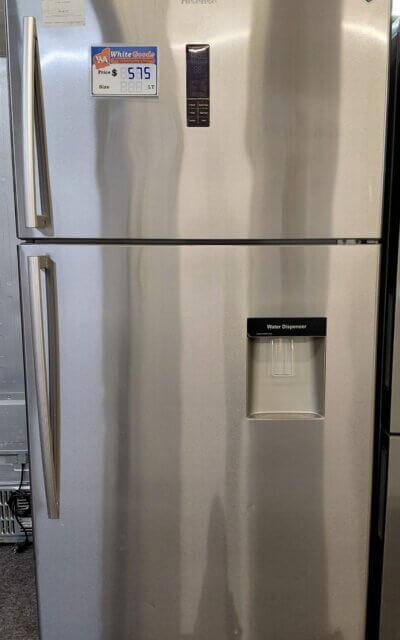
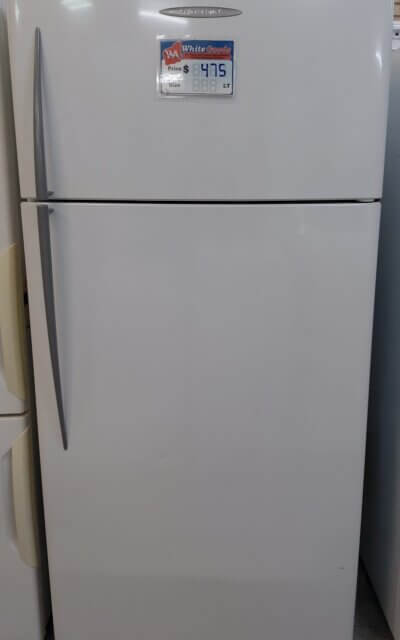
An upright freezer looks like a fridge. It opens from the front and stands vertically.
Shelves and door bins make it easy to see everything at a glance. No digging, no guessing what’s hiding at the bottom.
Upright freezers take up less floor space than chest freezers of the same capacity. That makes them a better fit for kitchens, laundries, and smaller homes or apartments.
Many upright models come with auto-defrost, so you never have to do it manually. That convenience comes at a cost, though. Upright freezers use slightly more energy because cold air falls out every time you open the door.
They’re great for families who freeze a lot of small items like meals, snacks, and leftovers, and want to grab things quickly without making a mess.
Chest vs Upright Freezer: Detailed Comparison
Here’s a side-by-side look at how both freezer types stack up across the things that matter most.
| Feature | Chest Freezer | Upright Freezer |
| Capacity per dollar | More storage for less | Less capacity at the same price |
| Floor space | Needs more floor space | Small footprint, goes vertical |
| Energy use | Lower running costs | Slightly higher energy use |
| Organisation | Harder to organise | Easy with shelves and bins |
| Defrost | Usually, manual | Often auto-defrost |
| Power outage hold time | Up to 48 hours | Around 24 hours |
| Best for | Bulk storage, garages | Small spaces, easy access |
According to Energy Rating Australia, chest freezers are generally more energy-efficient than upright models because of how cold air behaves inside them. Worth considering when you’re thinking about long-term running costs.
How Much Does It Actually Cost to Run Each Type?
This is where many buyers underestimate the long-term difference. The upfront price is just part of the equation; what you pay in electricity over five to ten years can easily exceed the purchase price itself.
A typical chest freezer in the 300L to 400L range uses somewhere between 1.0 and 1.5 kWh per day. An upright freezer of similar capacity often uses 1.5 to 2.0 kWh per day. At the current average electricity rate in Australia of around 30 to 35 cents per kWh, that gap adds up to $50 to $100 per year in extra running costs for an upright model.
Over ten years, that’s $500 to $1,000 more just for the convenience of shelves and auto-defrost. Whether that’s worth it depends on how much you value organisation and ease of access, but it’s a number worth knowing before you buy.
If energy efficiency is a priority, always check the Energy Star rating label before purchasing. Each additional star represents roughly 10 to 15 percent less electricity use. A 4-star freezer will cost noticeably less to run than a 2-star model of the same size, even if the upfront price is higher.
Pros and Cons of Chest Freezers
Pros
- Cheaper to run over time
- More storage capacity for the price
- Holds temperature longer during power cuts
- Works well in garages and high-temperature environments
- Durable and long-lasting with fewer mechanical parts
Cons
- Takes up more floor space
- Hard to organise, especially in a full freezer
- Most models need manual defrosting
- Items at the bottom are easy to forget
- Not ideal in small kitchens or indoor spaces
Pros and Cons of Upright Freezers
Pros
- Easy to organise with shelves and compartments
- Takes up less floor space
- Many models include auto-defrost
- Looks neat and fits standard kitchen layouts
- Better for frequently accessed items
Cons
- Costs slightly more to run
- Holds temperature for less time during outages
- Less storage per dollar compared to chest models
- Cold air drops out every time you open the door
- Can be harder to fit large or awkward items
A Note on Australian Climates
This is something most buying guides overlook, and it matters a lot in Australia.
Not all freezers are designed to run in hot environments. Most standard models are rated for ambient temperatures between 10°C and 38°C. That sounds fine until you realise that a metal garage in Brisbane, Perth, or anywhere in regional Queensland or WA can easily hit 45°C or more on a summer afternoon.
If a freezer runs outside its rated temperature range, it has to work harder to maintain internal temperature. This shortens the lifespan, pushes up energy use, and in extreme cases can cause the freezer to fail altogether.
If you’re installing a freezer in a garage or outdoor shed, look specifically for models rated to at least 43°C ambient temperature. These are sometimes marketed as “tropical-rated” or “high ambient” freezers. Chest freezers are generally better suited to garage conditions than uprights because their insulation is thicker and their seals are more robust.
If you’re unsure, ask the retailer for the climate class rating before buying. It’s a small detail that can save you a lot of headaches down the track.
Best Upright Freezers in Australia
If you’ve decided an upright freezer is the right call, here are some things to look for:
- Size: A 200L to 300L model suits most families. If you’re a couple or single, something in the 150L range is plenty.
- Auto-defrost: Look for this feature if you want low maintenance. It adds to the price but saves you the job of defrosting manually.
- Energy star rating: The higher the star rating, the cheaper it runs. Over a few years, this adds up.
- Adjustable shelves: Make it easier to store large items like roasts, whole chickens, or big containers.
- Reversible door hinge: A useful feature if you’re fitting the freezer into a tight space, it lets you swing the door open in either direction.
You can browse a range of quality upright freezers at WA White Goods. They stock both new and second-hand options across different sizes and budgets.
Who Should Buy a Chest Freezer?
A chest freezer suits you if:
- You have a garage or shed with extra floor space.
- You buy meat in bulk, go hunting or fishing, or shop at wholesale stores.
- You cook big batches and freeze meals for the month.
- You want to keep running costs low.
- You live somewhere where power outages happen, and you need food to stay frozen longer.
Chest freezers are a workhorse appliance. They’re not fancy, but they deliver a lot of freezer space for the money.
Who Should Buy an Upright Freezer?
An upright freezer makes more sense if:
- You live in an apartment or a smaller home.
- You don’t have spare floor space for a wide horizontal unit.
- You want to find food fast without digging.
- You freeze smaller items regularly, like prepared meals, leftovers, bread, and snacks.
- You want something that fits neatly next to your fridge.
If staying organised matters to you, the upright style is almost always the better choice.
How to Organise a Chest Freezer (So You Don’t Lose Everything)
One of the biggest complaints about chest freezers is that food gets buried and forgotten. A few simple habits fix this almost entirely.
Use baskets or crates inside the freezer to group items by category; meat in one, vegetables in another, prepared meals in a third. Many chest freezers come with one or two wire baskets already. Add more if needed; they’re inexpensive and make a huge difference.
Label everything with masking tape and a marker. Include the date it went in. Rotate stock so newer items go to the bottom, and older items stay near the top. When you add a big batch of meat from a wholesale run, put it at the bottom and move the older cuts up.
Keep an inventory list on the outside of the freezer; a whiteboard or a simple notepad works fine. Cross things off as you use them. It sounds old-fashioned, but it stops you from buying duplicates or forgetting about that whole lamb you put in six months ago.
A well-organised chest freezer can actually be more convenient than an upright, because you can store so much more without needing to rearrange shelves every time something large goes in.
What to Look for When Buying Second-Hand
A second-hand freezer can be a genuinely smart buy, especially for a garage unit or a backup freezer. But there are a few things to check before handing over your cash.
First, plug it in and let it run for at least fifteen minutes. The compressor should start, and the interior should get noticeably cold. If it’s struggling to cool down or making unusual noises, walk away.
Check the door or lid seal carefully. Run your hand around the edge when the freezer is running; you shouldn’t feel cold air escaping. A deteriorated seal means the freezer is working harder than it needs to, which costs more in electricity and reduces the lifespan of the compressor.
Look at the interior. Some frost build-up is normal in a manual-defrost model, but thick ice on the walls or base can indicate the freezer hasn’t been maintained. Ask how long it’s been running and whether it’s ever been defrosted.
Avoid buying a chest freezer that’s been sitting unused in someone’s garage for more than six months without being powered on. Seals can dry out, and compressors can develop faults when left idle. If you’re buying from a dealer rather than a private seller, ask whether the unit has been tested and serviced.
At WA White Goods, second-hand freezers are checked before sale, which takes the guesswork out of it. That’s worth considering if you want the savings of a used unit without the risk of buying a dud.
Frequently Asked Questions
Are chest freezers cheaper to run than upright freezers?
In most cases, yes. Because cold air naturally sinks, a chest freezer keeps its temperature more efficiently. Over a full year, the difference shows up on your power bill, especially if you run a large model.
Which freezer type is better in a power outage?
Chest freezers handle outages better because the cold stays trapped inside when you keep the lid shut. An upright loses cold air faster when the power goes out. If power cuts are common where you live, that’s worth factoring in.
Do I need to defrost a chest freezer?
Most chest freezers need manual defrosting, but it’s usually only once or twice a year. Frost-free chest models exist, but cost more. Uprights with auto-defrost are more common and handle it for you automatically.
Can I put a freezer in my garage?
You can, but check the temperature rating on the model first. Some freezers struggle in extreme heat. If your garage gets very hot in summer, look for a freezer rated to handle higher ambient temperatures, at least 43°C, before buying.
How much should I spend on a freezer in Australia?
New chest freezers typically start around $400 and go up from there, depending on size. Upright models follow a similar range. Second-hand freezers in good condition can cost significantly less and still perform well for years.
What size freezer do I actually need?
A 100L to 200L model works for one or two people. Families of four generally do well with a 300L to 400L unit. If you bulk buy or stock up regularly, something 500L or above gives you the room to work with. When in doubt, go slightly larger; a freezer that’s too small gets inconvenient fast, while a freezer with a bit of extra room stays useful as your needs change.
Can I lay a freezer on its side to transport it?
You can transport a chest freezer on its side if needed, but you should let it stand upright for at least four hours before plugging it in. This allows the refrigerant oil to settle back into the compressor. Skipping this step can damage the unit.
Where to Buy Second-Hand Freezers in Australia
New freezers are great, but a quality second-hand freezer can save you a lot of money upfront.
The key is buying from a trusted seller who has tested the unit and stands behind it. At WA White Goods, you’ll find a solid range of used chest and upright freezers that have been checked and are ready to go.
Second-hand is worth considering if you’re furnishing a garage, buying a backup freezer, or just want a reliable unit without paying full price.
Bottom line: Both freezer types are solid choices. Chest freezers give you more space for less money and handle Australian garage conditions well. Upright freezers keep things tidy, fit smaller spaces, and are easier to use day to day. Pick based on where you’ll put it, how you’ll use it, and how much the running costs matter to your budget over time.