Your garage stores more than tools. For many Australians, it holds the extra drinks fridge, the bulk buy freezer, or the overflow from a small kitchen. But not every fridge can survive a garage, especially in a city like Perth, where summer heat is brutal.
Here is everything you need to know before buying a garage fridge in Australia.
Why a Regular Fridge Won’t Work in Your Garage
Most fridges sold in Australia are built to run inside a climate-controlled home. That means they are rated for ambient temperatures between 10°C and 32°C.
The problem? Australian garages get hot. Very hot.
In Perth, summer temperatures regularly climb past 40°C. An uninsulated garage can hit 50°C on a bad day. When the air around your fridge gets too warm, the compressor works constantly trying to keep up. It cannot cool properly. Food spoils. The fridge breaks down faster.
A standard kitchen fridge placed in a hot garage is not just inefficient. It is a food safety risk, too. Dairy, meat, and leftovers stored in an underperforming fridge sit in the danger zone between 5°C and 60°C. That is where bacteria grow fast.
Many people only realise this after losing a full fridge of food during a heatwave. Do not wait for that lesson.
This is why choosing the right fridge for a garage matters more than most people realise.
What to Look for in a Garage-Rated Fridge
Before you buy, check these key specs.
Climate Class Rating
This is the most important spec. The climate class tells you the range of ambient temperatures a fridge can handle safely. Here is a quick breakdown:
| Climate Class | Safe Ambient Range |
| SN | 10°C to 32°C |
| N | 16°C to 32°C |
| ST | 16°C to 38°C |
| T | 16°C to 43°C |
| SN-T | 10°C to 43°C |
For Australian garages, look for T or SN-T class only. These handle the heat without strain.
Frost-Free Technology
A frost-free fridge manages its own defrost cycle. This matters in a garage where the compressor already works harder. Manual defrost models add more stress to an already pushed system.
Strong Door Seals
Heat degrades rubber seals over time. Check that seals are tight and replace them if they feel loose. A poor seal means cold air escapes constantly.
Compressor Quality
Look for brands known for durable compressors. A garage fridge works harder than a kitchen fridge. A weak compressor will not last long under those conditions.
Energy Efficiency
A garage fridge runs harder than a kitchen fridge, so energy use adds up fast. Check the star rating on the energy label. A higher star rating means lower running costs over time. In a hot garage, even a one-star difference can save you noticeably on your quarterly electricity bill.
Ventilation Space
Fridges need airflow around them. In a garage, leave at least 5cm on each side and 10cm at the back. This helps the fridge release heat properly.
According to Energy Rating Australia, fridges running outside their rated climate class use significantly more power and wear out much faster. Always check the label before you buy.
Best Garage Fridges in Australia
Here are five types of fridges that work well in Australian garages based on their climate class and build quality.
1. Fisher and Paykel ActiveSmart Upright Fridge (T Class)
Fisher and Paykel make several T-class models that handle high ambient temperatures. Their ActiveSmart technology adjusts airflow based on usage patterns. Great for families wanting a full-size garage fridge.
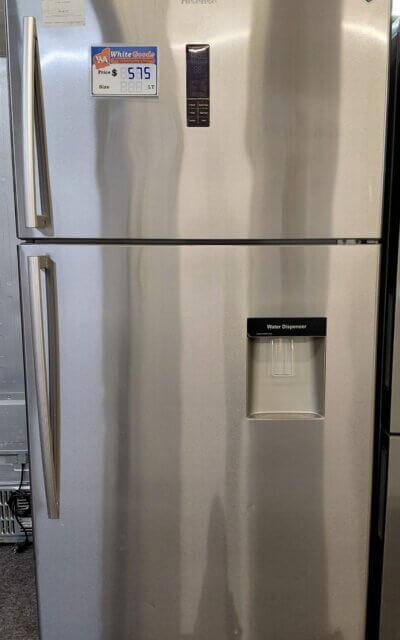
2. Hisense Top Mount Fridge (SN-T Class)
Hisense offers solid value with SN-T-rated models. These handle both cold winters and hot summers well. A good choice if your garage gets cool in winter too.
3. Kogan Bar Fridge (T Class, compact)
For a beverage fridge or a second fridge for drinks and snacks, a compact T-class bar fridge does the job without taking up much space.
4. Westinghouse Upright Freezer (T Class)
If bulk freezing is your main need, Westinghouse makes reliable upright freezers rated for high ambient temps. Solid build and widely available in Australia.
5. Reconditioned Commercial Bar Fridge (T Class)
A professionally reconditioned bar fridge built for commercial use is naturally suited to temperature extremes. These often cost 50 to 70% less than new models and already have heavy-duty compressors. They are also built to run continuously in warm environments like commercial kitchens and bottle shops, which makes them a natural fit for a hot Australian garage.
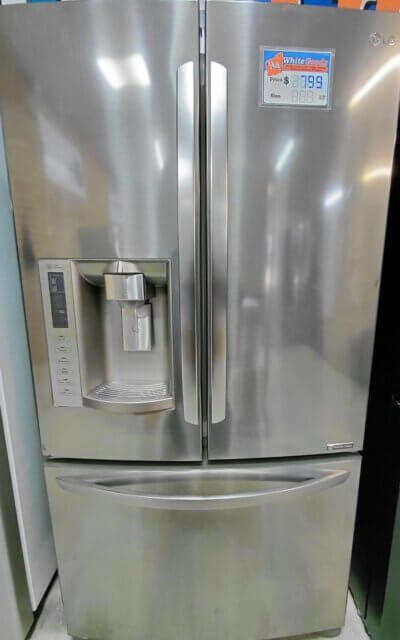
At WA White Goods, you can browse reconditioned fridges that are tested, cleaned, and rated for Australian conditions.
Garage Fridge vs Garage Freezer: Which Do You Need?
This depends on what you actually want to store.
Choose a garage fridge if:
- You want cold drinks and snacks on hand
- You need overflow space for fresh food
- You do a big weekly grocery shop and run out of fridge space
Choose a garage freezer if:
- You buy meat or seafood in bulk
- You grow vegetables and want to freeze the excess
- You like to batch cook and freeze meals ahead
Many households end up with both over time. If you can only start with one, think about where your current storage pain is. Running out of fridge space? Get the fridge first. Running out of freezer space? Start with a chest or upright freezer.
A chest freezer is usually more energy efficient for bulk storage. An upright freezer is easier to organise. If you are still unsure, think about access. A chest freezer requires you to dig down to find items. An upright lets you see everything at eye level, much like a regular fridge. For families storing a mix of items, upright usually wins on convenience.
Perth Garage Considerations
Perth buyers face a specific challenge. The city regularly records some of the hottest sustained summer temperatures in Australia.
Here is what to keep in mind:
- Position matters. Avoid placing your fridge against a west-facing wall. These walls absorb heat all afternoon. A south-facing or shaded wall is much better.
- Ventilation is critical. A sealed or poorly ventilated garage traps heat. If possible, crack a vent or install a ceiling vent to reduce ambient temperature.
- Insulation helps. A garage with some ceiling insulation runs noticeably cooler than a bare metal shed. This extends the life of your fridge and lowers your electricity bill.
- Check your power outlet. A garage fridge needs its own dedicated circuit, ideally. Sharing an outlet with power tools or other appliances can cause voltage drops that harm the compressor.
- Plan for summer. Even a T-class fridge will work harder in extreme heat. Keep it out of direct sunlight and ensure it has space to breathe.
- Consider a thermometer. Place a cheap digital thermometer in your garage to track how hot it actually gets. Many people are surprised. Knowing your peak ambient temperature helps you choose the right climate class with confidence and gives you a baseline to compare after any changes you make to ventilation or insulation.
Can You Use an Old Fridge in the Garage?
Short answer: probably not safely.
Most fridges made before 2010 were built for indoor kitchen use only. They carry N or SN climate ratings, which cap out at 32°C. That is not enough for a Perth summer garage.
Even newer kitchen fridges rated to 32°C or 38°C will struggle. When the ambient temperature matches or exceeds the fridge’s rated limit, the compressor runs without stopping. That leads to higher electricity bills, poor cooling, and early failure.
T and SN-T class fridges are the safe option. If you are unsure of the climate class on an existing fridge, check the label inside the door frame. It is usually printed near the serial number.
If the label shows N or ST only, that fridge belongs in a kitchen or air-conditioned space. Not a garage. Keeping it in the garage anyway is a false economy. You pay more in power bills, replace food more often, and end up buying a new fridge sooner than expected.
Buying a Second-Hand Garage Fridge
A second-hand or reconditioned garage fridge can be a smart buy. You pay less upfront and still get solid performance if you know what to check.
- Check the climate class label first. This is non-negotiable. If it is not T or SN-T, walk away regardless of price.
- Ask about the compressor age. A compressor past 10 years of heavy use is getting close to the end of its life. A reconditioned fridge from a trusted seller will have been tested and serviced.
- Inspect the door seals. Press a piece of paper into the door seal and close it. If you can pull the paper out easily, the seal is too weak. Factor in the cost of replacing seals.
- Look for signs of rust or mould. A little surface rust on the outside is manageable. Rust near coils or mould inside the cabinet is a red flag.
Buy from a reputable seller. A reconditioned fridge from a professional white goods dealer comes tested and cleaned. That is very different from buying someone’s old fridge off an online marketplace with no history. A good dealer will also give you some form of warranty or at least a return window. That alone is worth the slightly higher price compared to a private sale.
Browse reconditioned garage fridges and freezers at WA White Goods for options that are ready to go.
Frequently Asked Questions
Can I put any fridge in my garage?
No. Standard fridges are only rated for indoor temperatures up to 32°C or 38°C. Australian garages regularly exceed that. Always check the climate class before putting any fridge in your garage.
What is climate class on a fridge?
It is a rating that shows the temperature range a fridge is designed to work in. For Australian garages, you need T class (up to 43°C) or SN-T class (10°C to 43°C). You can find this label inside the door frame of any fridge.
Does a fridge work harder in a hot garage?
Yes, noticeably so. The hotter the surrounding air, the harder the compressor works to maintain the internal temperature. This drives up power costs and puts extra stress on mechanical parts over time.
Is it cheaper to buy a second-hand garage fridge?
It can be, especially if you buy from a seller who reconditions and tests the unit properly. A reconditioned T-class fridge or freezer often costs far less than a new equivalent without sacrificing reliability.
Will my old kitchen fridge work in the Perth garage?
Most will not, particularly in summer. If the fridge is rated only to 32°C and your garage regularly hits 40°C or more, you are pushing the fridge well beyond its limit. The compressor takes the damage first.
Shop Reconditioned Fridges and Freezers for Your Garage
Finding a garage-rated fridge does not have to be expensive. WA White Goods stocks a range of reconditioned fridges and freezers suited to Australian conditions, including high ambient temperature models tested and ready for garage use.
Browse the full range: